Before we set out to define and understand CJO in its entirety, let’s first explore the current CX landscape that makes it a necessity.
Let’s face it, there will never come a time where the customer experience will conform to a set standard. It has, is, and forever will be in a state of constant evolution catalyzed by the customer’s changing behavior, advances in technology, and the aftermath of the global pandemic.
That said, it comes as no surprise that customer expectations have risen.
As a marketer, it falls on you to understand and bridge the divide between the customer’s expectation and the experience delivered.
Yet, this is where most brands fail to meet the mark.
According to Forrester VP and Principal Analyst Brendan Witcher, there is a huge gap between how brands think they are doing and the reality from their customers’ perspectives. A report by Forrester sheds light on this growing disparity. It finds while 89% of the brands claim they are investing in personalization to revamp the customer experience, only 40% of the customers say the information they get from brands is relevant to their tastes and interests.
But, why do these gaps exist? And, how can marketers proactively bridge this divide?
Let’s dive in.
In a time before the journey was central to the customer experience, marketers viewed the customer through the lens of business objectives. Interactions were manufactured with the singular intent of educating customers about products. Marketers aligned these interactions with events such as product launches. These interactions were linear, generic, and restricted to a handful of channels that marketers predetermined.
The dawn of the digital age marked a shift in this paradigm.
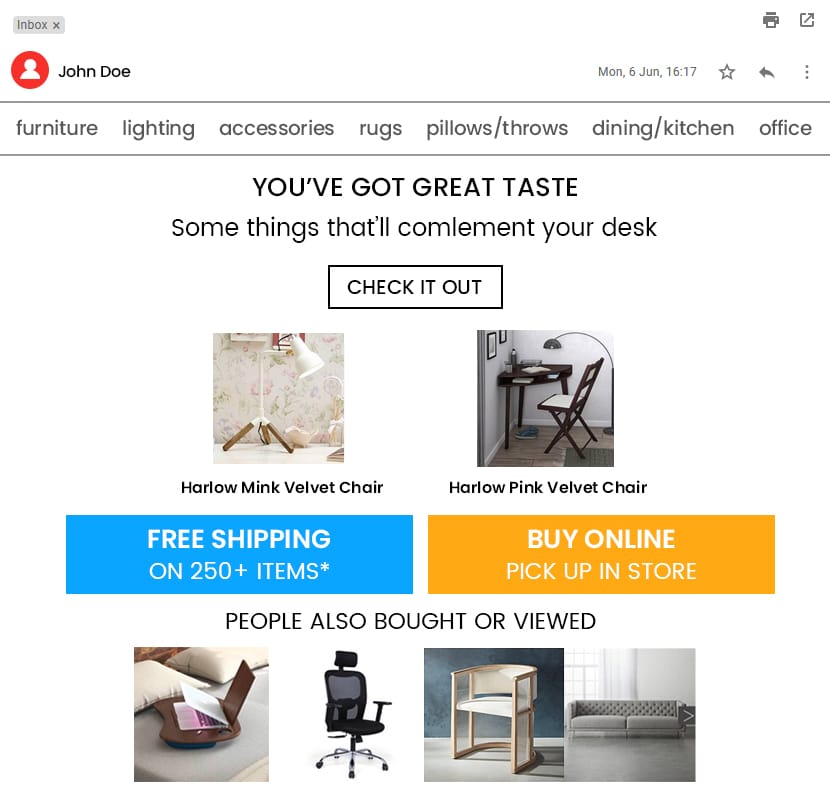
Technology has revolutionized communication and reshaped the way customers experience a brand. The steady incline in digital disruptions has birthed a plethora of digital avenues where customers explore, experience, and engage with a brand before making a final decision.
This increase in touchpoints between a customer and brand has recalibrated the customer journey and redefined the shopping experience.
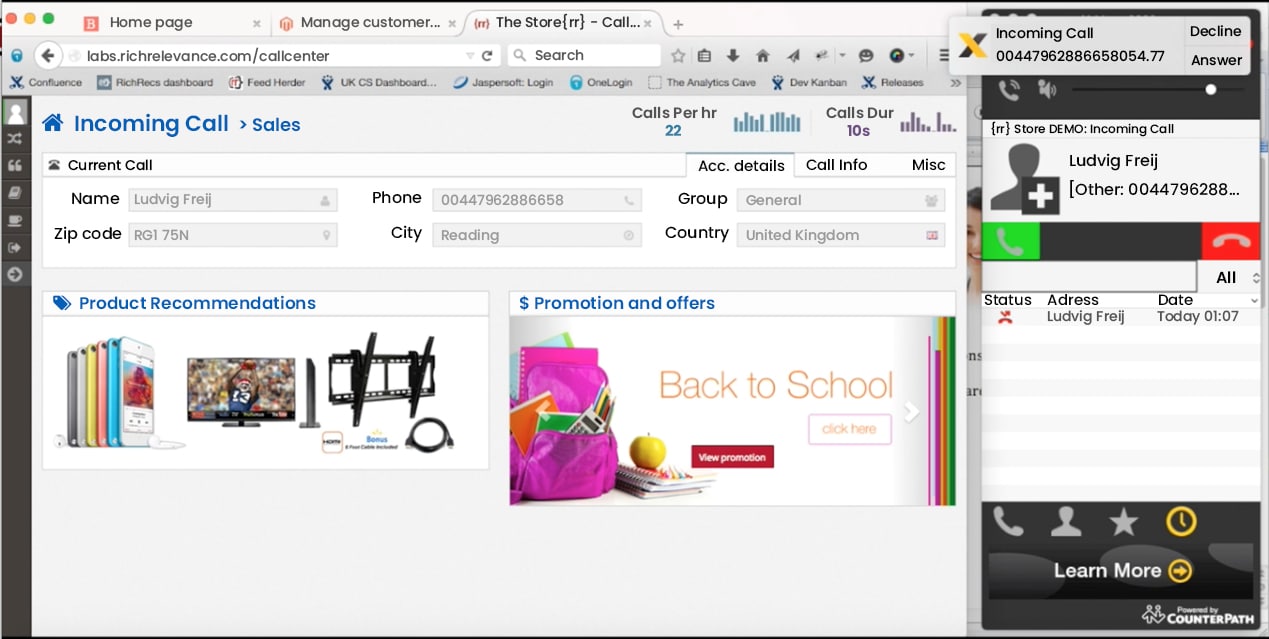
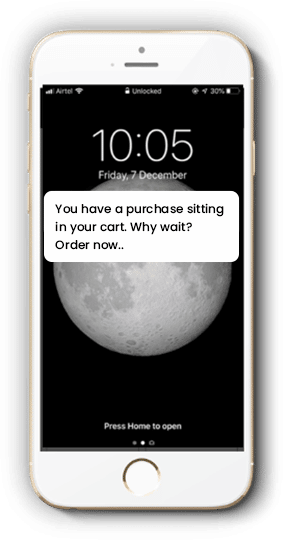
Customers no longer perceive or limit their expeditions at brick-and-mortar stores as ‘shopping’. The lines have now blurred to include a matrix of channels.
Empowered by these advances, customers now demand to be met in moments where and when it matters the most to them.
Now, more than ever, to thrive in a highly competitive and crowded industry, marketers must be present, listen, and engage with customers on their turf. The need of the hour is seamless and consistent experiences that add value to the customer, where and when they require it.
Thus, the traditional linear monologue has been replaced with dynamic and real-time interactions between the brand and customer across channels, both online and offline.
This brings us to a pivotal question – how do you meet your customer in real-time where and when it matters the most to them? How do you interpret, anticipate, and orchestrate a dynamic and consistent experience before, during, and after a purchase?
The answer is Customer Journey Orchestration.